











Search
Shop Online
    Menu Close
    RSS

    Blog posts tagged with 'horse feed'

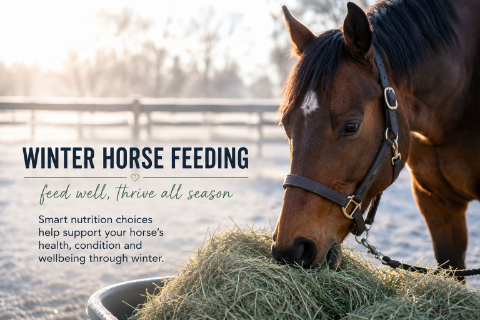
    WINTER HORSE FEEDING: WHAT I FOCUS ON AS AN EQUINE NUTRITIONIST
    (0) WINTER HORSE FEEDING: WHAT I FOCUS ON AS AN EQUINE NUTRITIONIST
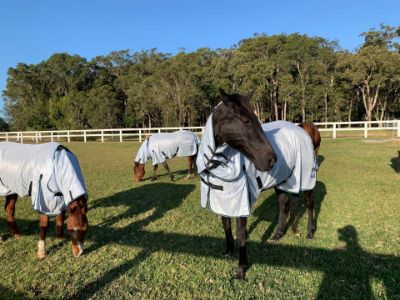
    Winter can be one of the most challenging times of year from a nutritional perspective. As temperatures drop and pasture quality declines, many horse owners wonder whether their horse's current diet is still meeting their needs. As an equine nutritionist, I often see owners focus on adding more feed when the real solution lies in evaluating the entire diet, including forage intake, protein quality, vitamin and mineral balance, hydration, and the horse's individual requirements. In this article, I'll explain how a horse's nutritional needs can change during winter and share practical, evidence-based feeding strategies to help maintain condition, support overall health, and ensure your horse is set up to thrive throughout the colder months. 🐴❄️
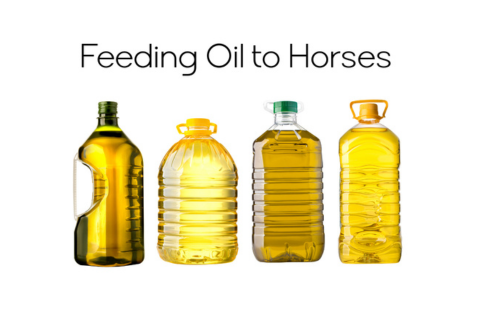
    FEEDING OIL TO HORSES: A NUANCED LOOK FROM A NUTRITION PERSPECTIVE
    FEEDING OIL TO HORSES: A NUANCED LOOK FROM A NUTRITION PERSPECTIVE
    This blog explores the role of oils in equine diets and explains why simply adding large amounts of cheap vegetable oil for weight gain isn’t always the best approach. It looks at how the horse’s digestive system is uniquely designed for small, continuous meals and why excessive oil feeding can sometimes contribute to digestive upset, oxidative stress, and fatty acid imbalances. The article discusses the differences between commonly used oils, including linseed, canola, rice bran, sunflower, and soybean oils, highlighting the importance of omega-3 and omega-6 balance, oil quality, and processing methods. It also covers safe feeding rates, the need for additional vitamin E when feeding higher-fat diets, and practical ways to introduce oils gradually. Finally, the blog outlines alternative ways to support weight gain and condition without relying heavily on oils, such as improving forage intake, using micronised linseed, and selecting balanced high-fat feeds. Overall, it provides horse owners with a balanced, evidence-informed perspective on when and how oils can be beneficial within a well-structured feeding program.